Complete Guide to Hepatitis C Test, Treatment, Medication

Complete Guide to Hepatitis C: Test, Treatment, Medication & Self-Care

📅 March 3, 2026✍️ Amanda R. Newman ⏱ 8 min read

Hepatitis C is one of those conditions that doesn't always announce itself. Millions of people carry the virus without knowing it, sometimes for years. By the time symptoms show up, the liver may already be dealing with serious damage.

The good news? Hepatitis C is treatable. In most cases, it's actually curable now. But getting there starts with understanding what you're dealing with. This guide talks about everything from early warning signs to testing, treatment options, medications, and useful tips for taking care of yourself that can really help.

What is Hepatitis C?

The hepatitis C virus (HCV) causes hepatitis C, which is a viral infection. It mostly affects the liver, making it swell up and hurt. If you don't get treatment, it can lead to liver cancer, chronic liver disease, or cirrhosis.

The virus spreads through blood-to-blood contact. Sharing needles, unsterilized tattoo equipment, or receiving a blood transfusion before 1992 (when screening became standard) are common ways people contract it. It doesn't spread through casual contact, sharing food, or hugging.

Here's what catches most people off guard: hepatitis C can stay silent in your body for decades. That's why routine testing matters more than most people realize.

Hepatitis C Symptoms

Early Symptoms

Hepatitis C Symptoms

Most people don't experience noticeable hepatitis C symptoms right away. The acute phase (first six months after infection) often passes without any red flags. When symptoms do appear, they tend to be vague and easy to dismiss.

Early signs may include:

  • Fatigue that doesn't improve with rest
  • Mild fever
  • Muscle and joint aches
  • Nausea or reduced appetite
  • Dark urine

These symptoms overlap with dozens of other conditions, which is partly why hepatitis C goes undiagnosed so often.

Advanced Symptoms

When hepatitis C becomes chronic and starts affecting liver function more seriously, the symptoms become harder to ignore.

Watch for:

  • Yellowing of the skin and eyes (jaundice)
  • Persistent abdominal pain, especially near the liver
  • Swelling in the legs or abdomen
  • Easy bruising or bleeding
  • Confusion or difficulty concentrating (sometimes called "brain fog")
  • Unexplained weight loss

If you notice any combination of these, it's worth talking to your doctor sooner rather than later.

Hepatitis C Test

Hepatitis C Test

Getting a hepatitis C test is straightforward, and it's the only reliable way to know your status. Symptoms alone aren't enough to confirm or rule out infection.

How Testing Works

There are two main steps:

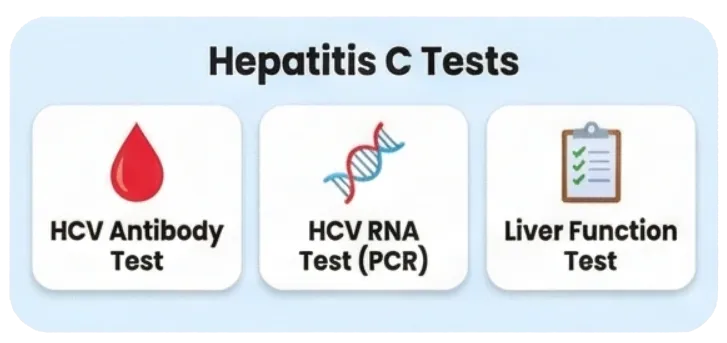
1. HCV Antibody Test (Screening Test)

This is an easy blood test that looks for antibodies in your body that may have been made against the hepatitis C virus. A positive result means you've been exposed at some point, but it doesn't mean you have an infection right now.

2. HCV RNA Test (Confirmatory Test)

A follow-up RNA test checks to see if the virus is still in your blood if the antibody test comes back positive. This shows that you have an infection right now and helps your doctor decide what to do next.

Who Should Get Tested?

The CDC recommends that all adults aged 18 and older get screened at least once. You should also consider testing if you:

  • Were born between 1945 and 1965 (the baby boomer generation has higher rates)
  • Have ever injected drugs, even once
  • Received a blood transfusion before 1992
  • Have unexplained liver problems
  • Are a healthcare worker with needle-stick exposure

Testing is quick, affordable, and widely available. There's really no good reason to skip it.

Hepatitis C Treatment

Hepatitis C Treatment

The Shift to Modern Treatment

Hepatitis C treatment has changed dramatically over the past decade. Older treatments involved interferon injections that came with harsh side effects and modest cure rates. That era is largely behind us.

Today, direct-acting antivirals (DAAs) are the standard of care. These oral medications target specific steps in the virus's life cycle, stopping it from multiplying. Treatment courses typically last 8 to 12 weeks, and cure rates exceed 95% for most patients.

What Does "Cured" Mean?

Doctors use the term "sustained virological response" (SVR). If the virus is undetectable in your blood 12 weeks after finishing treatment, you're considered cured. Your body doesn't clear the antibodies (so the antibody test may still show positive), but the active infection is gone.

Factors That Affect Treatment

Your doctor will consider several things when choosing a treatment plan:

  • The strain of your hepatitis C
  • How badly has the liver been hurt?
  • If you've had treatment before
  • Other drugs you are taking
  • How healthy you are overall

This is why it is important to make things personal. What works great for one person might not work as well for someone else.

Hepatitis C Medication

Several highly effective medications are available for treating hepatitis C. Here are some of the most commonly prescribed options:

Sofosbuvir/Velpatasvir (Epclusa)

A pan-genotypic option, meaning it works against all major genotypes. Usually taken once daily for 12 weeks.

Glecaprevir/Pibrentasvir (Mavyret)

Another pan-genotypic medication. Some patients can complete treatment in as few as 8 weeks.

Sofosbuvir/Ledipasvir (Harvoni)

Primarily used for genotype 1, which is the most common strain. Typically a 12-week course.

Elbasvir/Grazoprevir (Zepatier)

Used for genotypes 1 and 4, often with a 12 to 16 week treatment duration.

All hepatitis C medication requires a prescription. Your doctor will run tests to determine which drug is the best match for your specific situation. Never attempt to self-treat a hepatitis C infection.

It's also worth mentioning that drug interactions can be a concern. If you're taking other medications, including those for sleep disorders like insomnia, make sure your doctor has the complete picture. Some combinations can affect how well either medication works.

Hepatitis C Self-Care

Hepatitis C Self-Care

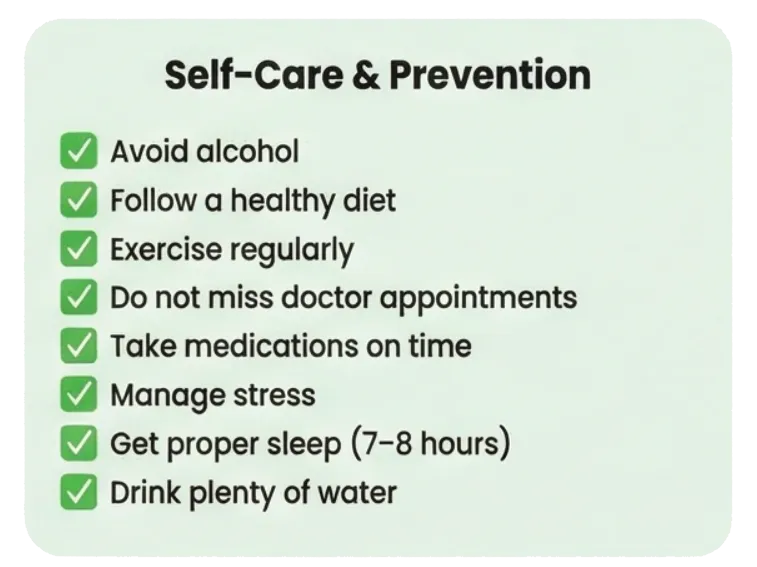
Treatment handles the virus itself, but hepatitis C self-care plays a big role in your overall recovery and long-term liver health.

Nutrition and Diet

Your liver processes everything you eat and drink. Give it a break by focusing on:

  • Fruits, vegetables, and whole grains
  • Lean proteins include chicken, fish, and beans.
  • Limiting processed foods, too much sugar, and saturated fats
  • Not drinking alcohol at all (this is not up for debate during treatment and should be done after as well)

Keep Moving

You don't have to run marathons. Walking, doing light strength training, or doing yoga on a regular basis can boost your energy, lower your stress, and help your liver work better. Even 20 to 30 minutes a day is helpful.

Prioritize Rest and Sleep

People with hepatitis C often say they are tired. Getting good sleep makes a big difference. If you have trouble sleeping or have insomnia, talk to your doctor about safe options that won't get in the way of your hepatitis C treatment.

Mental Health Matters

Having a chronic illness can be hard on your emotions. A lot of people have anxiety, depression, and stress. Don't ignore those feelings. Therapy, support groups, and even just talking to a friend can help more than you think.

Avoid Liver Toxins

Beyond alcohol, be mindful of over-the-counter medications like acetaminophen (Tylenol), which can stress the liver at high doses. Herbal supplements aren't always as harmless as they seem either. Always check with your doctor first.

❓ Frequently Asked Questions

Can hepatitis C go away on its own?

+

In roughly 15 to 25 percent of cases, the body clears the virus naturally during the acute phase. Most infections, on the other hand, last a long time and need medical care. There is no sure way to know who will clear it on their own, so testing and monitoring are still important.

Is there a vaccine for hepatitis C?

+

No, there is not a vaccine for hepatitis C right now. There are vaccines for hepatitis A and B, but making one for HCV has been much harder because the virus can change quickly. The main goal of prevention is to stay away from people who are infected with the virus.

Can you get hepatitis C more than once?

+

Yes. Being cured of hepatitis C does not make you immune. If you're exposed to the virus again through blood contact, reinfection is absolutely possible. People who continue high-risk behaviors should get tested regularly even after successful treatment.

How long does hepatitis C treatment usually take?

+

Most modern treatment regimens last between 8 and 12 weeks. Some cases involving advanced liver damage or previous treatment failure may require longer courses, up to 16 weeks. Your doctor will determine the right duration based on your individual circumstances.

Does hepatitis C always damage the liver?

+

Not immediately. Some people with chronic hepatitis C have very little liver damage for years. But over time, the chances of getting fibrosis, cirrhosis, or liver cancer go up a lot. The best way to avoid long-term problems is to find them early and treat them.

Final Thoughts

Hepatitis C is a serious disease, but it's not a death sentence anymore. Most people can get better from it now thanks to modern medicine. The most important things are getting tested, getting a diagnosis, and working with a doctor to come up with the best treatment plan.

Taking care of yourself by eating well, staying active, dealing with sleep problems, and staying away from alcohol will help you get better and keep your liver healthy in the future.

If anything in this guide raises a question or a concern, bring it to your doctor. They're the best resource you have. Early action leads to better outcomes, and there's no reason to wait.

Share: f 𝕏 in

Amanda R. Newman

Author at pharmasworld.com