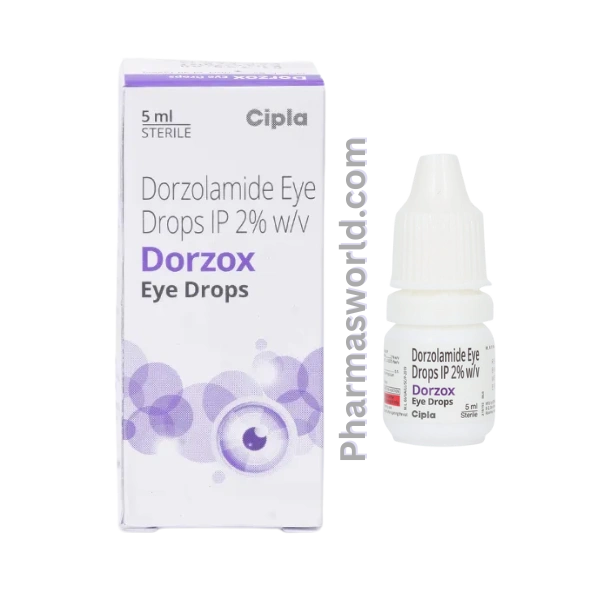
Dorzox Eye Drop 2% (5 ml) Eye Drop

Dorzox Eye Drop 2% (5 ml) Eye Drop

Price range: $8.90 through $47.75

Dorzox Eye Drop is a dorzolamide 2% ophthalmic solution used to lower high eye pressure in open‑angle glaucoma and ocular hypertension. It belongs to the carbonic anhydrase inhibitor family and helps protect the optic nerve over time. Use it exactly as prescribed, usually 1 drop in the affected eye(s) two to three times daily. Remove soft contact lenses before dosing, press the inner corner of the eye for a minute after each drop, and wait at least 15 minutes before reinserting lenses.

USA Brand Name Trusopt
Strength 2% 5ml
Generic Name Dorzolamide
Manufacturer Cipla, India

Dorzox Eye Drop 2% (5 ml) Eye Drop

Variant Price Units Quantity Add to Cart
1 Eye Drop $8.90 $8.90
3 Eye Drop $24.49 $8.16
6 Eye Drop $47.75 $7.96

Limited Offer
20% Discount
PW20
Share:f𝕏win
🚚 Free Delivery🔄 Easy Returns✅ Genuine
Medically Reviewed By

Dr. Emily Carter

Senior Clinical Pharmacist

View Profile →
📋 Product Description
Dorzox Eye Drop is a dorzolamide 2% eye drop made to bring intraocular pressure (IOP) down when it is running high. If your eye doctor has diagnosed open‑angle glaucoma or ocular hypertension, the goal is to protect your optic nerve and preserve vision by keeping pressure in a healthy range. Dorzolamide helps by reducing the amount of fluid your eye makes, which gradually lowers IOP.

What Dorzox Eye Drop is used for

  • Open‑angle glaucoma
  • Ocular hypertension (high eye pressure without optic nerve damage yet)
  • As add‑on therapy when a single agent (such as a beta blocker or prostaglandin analog) does not fully control pressure

How it works in simple terms

Dorzolamide blocks carbonic anhydrase in the ciliary body of the eye. That enzyme helps produce aqueous humor, the fluid inside the eye. With the “tap” turned down, less fluid is made and pressure falls. Lower pressure means less stress on the optic nerve over the long haul.

How to apply it for best results

  • Wash and dry your hands.
  • Tilt your head back, gently pull the lower lid down to form a small pocket.
  • Place one drop into the pocket without touching the bottle tip to your eye or lashes.
  • Close your eyes gently, then press the inner corner (near the nose) with a fingertip for 1 minute. This “punctal occlusion” keeps medicine in the eye and lowers systemic absorption.
  • If you use other eye drops, wait at least 5 to 10 minutes before the next one. Gels and ointments go last.
  • If you wear soft contacts, remove them before dosing and wait 15 minutes before reinserting. Many bottles contain benzalkonium chloride (BAK), which can be absorbed by soft lenses.

When to expect results

Some people see a pressure drop on the next clinic check (days to weeks). You will not “feel” the pressure change, which is why follow‑up visits and IOP checks are essential. Your doctor may adjust the number of daily doses or add a second agent if targets are not met.

Common side effects

  • Mild burning or stinging after a drop
  • Bitter taste in the mouth (tip: press the inner corner or sip water after dosing)
  • Blurry vision for a few minutes, watery eyes, or redness
  • Eyelid irritation or dry eye symptoms
Most effects are brief. Call your eye care professional if you have a persistent painful red eye, light sensitivity, new vision changes, or a spreading rash.

Important safety notes

  • Sulfonamide caution: dorzolamide is a sulfonamide‑derived medicine. Very rare but serious reactions can occur. Report rash, swelling, or breathing trouble.
  • Corneal health: if you have low corneal endothelial cell counts or a history of corneal edema, your clinician will monitor closely, as edema can worsen in susceptible eyes.
  • Kidney issues: avoid severe renal impairment.
  • Angle‑closure emergencies: this drop does not treat acute angle‑closure glaucoma attacks. Sudden severe eye pain, halos, headache, nausea, or vision loss needs emergency care.

Drug and product interactions

  • Other carbonic anhydrase inhibitors (such as oral acetazolamide) can add effects and side effects.
  • Combining with multiple preserved drops may increase dry eye or irritation; preservative‑free options may be considered.
  • Always list all prescription eye drops (prostaglandins, beta blockers, alpha agonists) and systemic medicines at each visit.

Practical tips that help

  • Set phone reminders to stay on schedule; consistent timing improves IOP control.
  • Bring your bottles to appointments so your technique and bottle type can be checked.
  • Keep the tip clean and capped; do not share eye drops.
  • If you miss a dose, use it when you remember the same day, then return to your regular schedule. Do not double up.

Available strengths and related options in the market

  • Dorzolamide ophthalmic solution 2% (typical bottle sizes 5 mL or 10 mL)
  • Dorzolamide 2% + Timolol 0.5% fixed combination (often used twice daily when dual therapy is needed)
  • Alternative classes your doctor may use with or instead of dorzolamide: prostaglandin analogs (latanoprost, bimatoprost), beta blockers (timolol), alpha‑2 agonists (brimonidine)

Storage and handling

  • Store at room temperature away from heat and direct sunlight.
  • Keep the bottle tightly closed.
  • Discard if the solution changes color, becomes cloudy, or if the safety seal is damaged.
  • Many clinics advise discarding 28–30 days after opening; follow your label or clinic guidance.

Helpful search phrases people use

Dorzox Eye Drop how to use, dorzolamide 2% side effects, punctal occlusion steps, contact lenses and BAK, ocular hypertension treatment, glaucoma drops comparison, dorzolamide vs timolol, Cosopt alternative, lower eye pressure tips, eye drop technique.

FAQs

How often do I use Dorzox Eye Drop?

Follow your label. Many plans use 1 drop in the affected eye(s) three times a day if used alone, or twice daily when combined with other glaucoma medications. Your doctor will tailor the schedule.

Can I use Dorzox with my other glaucoma drops?

Yes, it is commonly combined. Space different drops by 5 to 10 minutes, and use gels/ointments last. Bring your full list of eye meds to each visit so the order and timing can be reviewed.

I tasted bitterness after a drop. Is that normal?

A brief bitter or metallic taste can happen. Press the inner corner of the eye for 1 minute after each drop and consider sipping water; both reduce drainage into the throat.

Is Dorzox safe with contact lenses?

Remove soft lenses before dosing and wait at least 15 minutes before reinserting. Preservatives such as benzalkonium chloride can bind to lenses and irritate the eye.

What symptoms mean I should call my eye doctor?

Call for persistent painful red eyes, light sensitivity, bad irritation, vision changes, or a spreading rash. Seek emergency care for sudden severe eye pain, halos around lights, headache, or nausea.
size1 Eye Drop, 3 Eye Drop, 6 Eye Drop
Reviews

Reviews

There are no reviews yet.

Be the first to review “Dorzox Eye Drop 2% (5 ml) Eye Drop”

Your email address will not be published. Required fields are marked *

Related Products

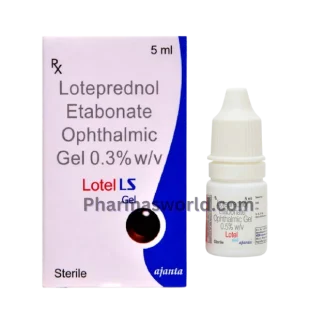
Lotel LS eye gel 5 ml

Lotel LS eye gel 5 ml

Price range: $16.40 through $47.80
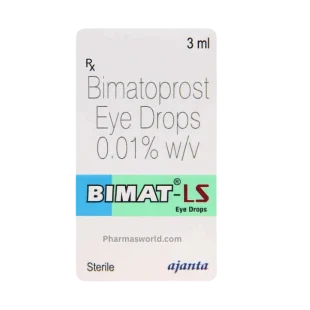
Bimat LS Eye Drop

Bimat LS Eye Drop

Price range: $21.20 through $61.70