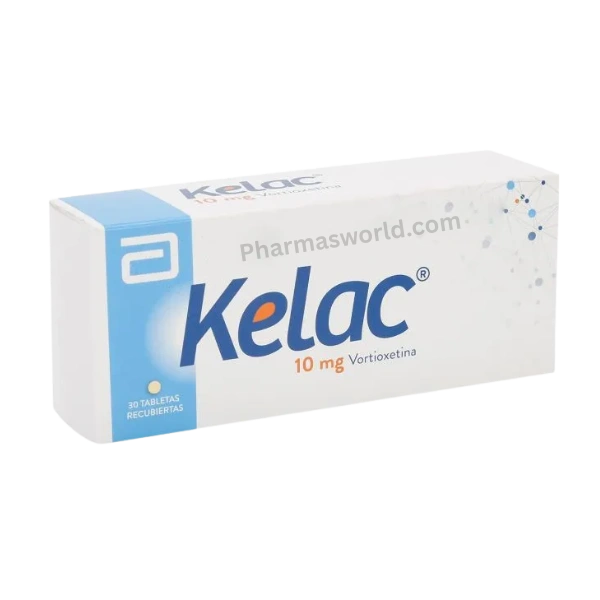
Kelac 10 Mg is a ketorolac 10 mg tablet used for short term relief of moderate to moderately severe acute pain, like pain after surgery, injury, or dental work. It is a prescription NSAID and is not meant for minor aches or long term use. Most adults take 10 mg every 4 to 6 hours as needed, with a strict maximum use of 5 days total. Take the lowest effective dose, avoid combining with other NSAIDs, and ask a clinician about safety if you have kidney, stomach, heart, or bleeding risks.
Kelac 10 Mg is a ketorolac 10 mg tablet formulated to help with short term acute pain when you need something stronger than everyday OTC options. Think post surgical pain, dental pain, or a sudden injury. It belongs to the NSAID family, so it reduces pain and swelling by blocking inflammatory chemicals. Because ketorolac carries important safety limits, it is used for the shortest time possible and never as a chronic pain medicine.
What Kelac 10 Mg is used for
Short term management of moderate to moderately severe acute pain
Often used after an initial dose in a clinic or ER, then continued at home for a few days
Ketorolac blocks the COX enzymes that help make prostaglandins, the chemicals that drive pain and inflammation. Less prostaglandin means less swelling and less pain. Relief can show up within an hour and is strongest over the next several hours.
How to take it and dosing limits
Usual adult oral dose: 10 mg every 4 to 6 hours as needed. Some plans use a single 20 mg first dose, then 10 mg at later doses.
Do not exceed 40 mg in a day.
Total duration across all forms of ketorolac, including injections and tablets, should not exceed 5 days.
Swallow with water. Taking with food or milk can ease stomach upset.
Older adults or people under 50 kg often need lower total daily doses. Follow your prescriber’s exact plan.
Who should avoid Kelac 10 Mg or check first
Past stomach ulcer, GI bleeding, or inflammatory bowel disease
History of heart attack or stroke, or if you are having heart bypass surgery
Bleeding disorders or if you take blood thinners or regular aspirin
Pregnancy, especially after 20 weeks, and while breastfeeding unless your clinician says it is essential
Allergy to ketorolac, aspirin, or other NSAIDs
Common side effects
Stomach upset, heartburn, nausea
Dizziness, drowsiness, headache
Swelling in legs, increased blood pressure, or fluid retention
Mild bruising due to platelet effectsCall a clinician urgently for severe stomach pain, black stools, vomiting blood, chest pain, shortness of breath, sudden weakness, or little to no urine.
Important interactions
Do not combine with other NSAIDs or daily aspirin used for pain.
Anticoagulants or antiplatelets, SSRIs or SNRIs, and oral steroids increase bleeding risk.
ACE inhibitors, ARBs, and diuretics together with ketorolac can stress the kidneys.
Lithium and methotrexate levels can rise.
Probenecid and pentoxifylline are generally avoided with ketorolac.
Alcohol raises stomach bleeding risk. If you drink, keep it very light.
Practical tips for safer use
Use the lowest effective dose for the shortest time.
Take with food and a full glass of water. Avoid lying down right after a dose.
Do not take two pain relievers from the NSAID family at the same time. Acetaminophen can be paired cautiously if your clinician agrees.
If pain remains high after a few doses, reach out. You may need a different plan rather than pushing the dose or days.
Available strengths and forms in the market
Ketorolac products are commonly available as:
Oral tablets: 10 mg
Injection: 15 mg/mL and 30 mg/mL vials or syringes (clinical use)
Nasal spray: 15.75 mg per spray (some brands)
Ophthalmic drops: 0.4 percent and 0.5 percent for eye inflammation (different indication)Only use the form and strength your prescriber recommends for your specific condition.
Storage and handling
Store at room temperature, dry, and away from heat.
Keep tablets in the original blister or bottle.
Keep out of reach of children and pets.
Helpful search phrases people use
Kelac 10 mg ketorolac tablet, ketorolac dosing max 5 days, ketorolac for dental pain, ketorolac vs ibuprofen, can I take ketorolac with acetaminophen, ketorolac side effects, ketorolac and alcohol, ketorolac bleeding risk, ketorolac interactions, NSAID pain medicine guide.
FAQs
What is Kelac 10 Mg used for?
Kelac 10 Mg contains ketorolac 10 mg, a prescription NSAID for short term treatment of moderate to moderately severe acute pain, such as after surgery, injury, or dental procedures. It is not for long term use.
How many days can I take Kelac 10 Mg?
No more than 5 days total across tablets and any injections you may have received. Daily maximum is 40 mg by mouth. Pushing beyond these limits increases the risk of bleeding and kidney problems.
Can I take Kelac 10 Mg with acetaminophen?
Often yes, if your clinician agrees. Do not combine it with other NSAIDs like ibuprofen, naproxen, or aspirin used for pain. Acetaminophen works differently and is sometimes paired for added relief.
What if I have a history of ulcers or kidney disease?
Ketorolac may not be appropriate. Tell your clinician about any past GI bleeding, ulcers, kidney problems, heart failure, or if you take blood thinners. You may need a different pain strategy.
What should I do if I miss a dose?
Take it when you remember if you still need pain control, but do not double up or exceed 40 mg in 24 hours. If your pain is not improving, contact your prescriber for reassessment.
size
200 Tablet/s, 400 Tablet/s, 600 Tablet/s
⭐ Reviews
Reviews
There are no reviews yet.
Be the first to review “Kelac 10 Mg Tablet” Cancel reply
Reviews
There are no reviews yet.