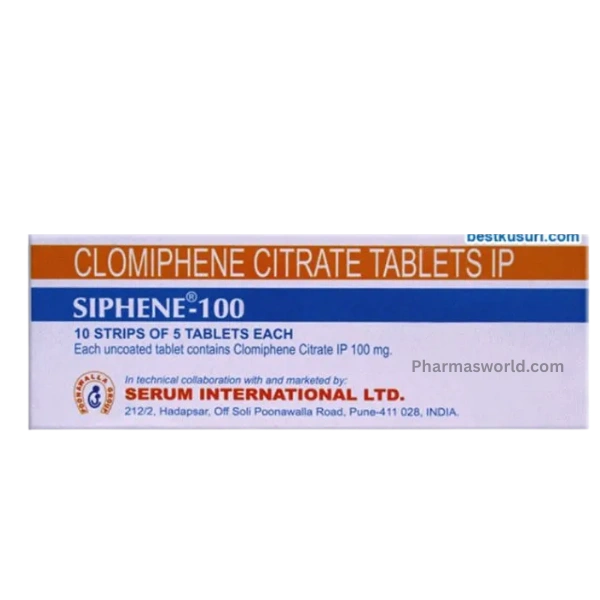
Siphene 100 Mg

Siphene 100 Mg

Price range: $18.53 through $52.70

Siphene 100 Mg is a clomiphene citrate 100 mg tablet used to help trigger ovulation in people who do not ovulate regularly, often due to PCOS or other ovulatory issues. Many start with 50 mg for 5 days early in the cycle and use 100 mg only if advised after a previous cycle. This medicine is not a daily pill. It is taken in short cycles with monitoring, pregnancy testing, and clear timing from your clinician to give you the best chance at safe, effective ovulation.

USA Brand Name Clomid
Strength 100mg
Generic Name Clomiphene Citrate

Siphene 100 Mg

Variant Price Units Quantity Add to Cart
30 Tablet/s $18.53 $0.62
60 Tablet/s $36.29 $0.60
90 Tablet/s $52.70 $0.59

Limited Offer
20% Discount
PW20
Share:f𝕏win
🚚 Free Delivery🔄 Easy Returns✅ Genuine
Medically Reviewed By

Dr. Emily Carter

Senior Clinical Pharmacist

View Profile →
📋 Product Description
Siphene 100 Mg is a clomiphene citrate 100 mg tablet used for ovulation induction. If your periods are irregular or you are not ovulating, clomiphene helps your body send a stronger “ovulate now” signal. That can raise your chances of releasing a mature egg and timing intercourse or insemination more confidently. Brand names vary by region. In many places clomiphene is also known as Clomid or Serophene. The game plan is usually a short 5 day course early in your menstrual cycle, followed by tracking for ovulation.

How Siphene 100 Mg works

  • Clomiphene blocks estrogen feedback in the brain, which nudges your pituitary to release more FSH and LH.
  • More FSH and LH support follicle growth and trigger ovulation.
  • It does not guarantee pregnancy, but it can increase the chance by promoting a clear ovulation window.

How to take it and typical timing

  • Most people start clomiphene between cycle day 2 and day 5, then take one dose daily for 5 days. Your prescriber sets the exact start day.
  • Many start at 50 mg. If there is no ovulation, a higher dose such as Siphene 100 Mg may be used on a later cycle, but only if your clinician approves.
  • Ovulation often occurs about 5 to 10 days after the last tablet. You may be asked to use ovulation predictor kits, track basal body temperature, or have ultrasound blood work to confirm timing.
  • This is not a long term daily medicine. Most clinicians limit clomiphene to about 3 to 6 cycles.

Who might benefit

  • People with anovulation or oligo-ovulation, commonly seen with polycystic ovary syndrome.
  • Couples with otherwise normal fertility testing who need help getting a predictable ovulation window.
  • Those preparing for timed intercourse or intrauterine insemination as part of a simple fertility plan.

Important safety notes

  • Do not use it if you are pregnant. A pregnancy test and, often, a baseline ultrasound are recommended before starting a cycle.
  • Avoid use if you have liver disease, unusual vaginal bleeding not yet evaluated, ovarian cysts not due to PCOS, uncontrolled thyroid or adrenal issues, or a hormone-sensitive tumor. Tell your clinician about your full health history.
  • The chance of twins is higher on clomiphene, roughly 5 to 8 percent. Higher order multiples are rare, but monitoring helps manage the risk.
  • Visual symptoms like blurring, flashing lights, or spots require you to stop the medicine and call your clinician right away.

Common side effects

  • Hot flashes, mood swings, irritability
  • Bloating, pelvic pressure, mild abdominal discomfort
  • Headache, nausea, breast tenderness
  • Temporary visual disturbances in a small number of users
  • Ovarian enlargement can happen for a short time after a cycle. Severe or sudden pelvic pain, significant swelling, shortness of breath, or rapid weight gain are not typical. Contact your clinician promptly if these occur.

What to expect in a cycle

  • You will usually be asked to take a home pregnancy test if your period is late.
  • If ovulation does not happen on a lower dose, your clinician may adjust the plan for the next cycle, which is when a 100 mg dose is sometimes tried.
  • If clomiphene does not produce ovulation or if pregnancy does not occur after several ovulatory cycles, your team may discuss next steps like letrozole or gonadotropins.

Interactions and special situations

  • Do not combine with other fertility medicines unless your clinician directs it.
  • Thyroid and prolactin issues can affect ovulation. Many clinicians check these labs before or during treatment.
  • Alcohol does not directly interact but can make cycle tracking harder. Keep it modest during a treatment cycle.
  • If you use vision-dependent jobs or drive at night, be alert for visual symptoms while on therapy.

Practical tips

  • Take the tablet at the same time each day for 5 days. Some people choose bedtime to sleep through hot flashes.
  • Start using ovulation predictor kits a few days after your last dose if advised.
  • Keep a simple cycle log: start day, dose, side effects, ovulation test results, and intercourse or insemination timing. This helps fine tune future cycles.
  • Prioritize sleep, hydration, and a balanced diet. These basics won’t replace treatment, but they support your overall health.

Available strengths in the market

Clomiphene citrate products are commonly available as:
  • Clomiphene 25 mg tablets
  • Clomiphene 50 mg tablets
  • Clomiphene 100 mg tablets
Some regions only offer 50 mg tablets, with dose adjustments made by tablet count or splitting when appropriate. Follow the exact product and directions your clinician provides.

Storage and handling

  • Store at room temperature in a dry place, away from direct heat and sunlight.
  • Keep tablets in the original blister or bottle and out of reach of children and pets.

Helpful search phrases people use

Siphene 100 mg clomiphene, clomiphene timing day 3 to 7, PCOS ovulation induction, signs of ovulation on clomiphene, chances of twins with clomiphene, Siphene side effects, Clomid vs letrozole, when to start ovulation test after clomiphene, clomiphene success rate, clomiphene and metformin.

FAQs

What is Siphene 100 Mg used for?

Siphene 100 Mg contains clomiphene 100 mg and is used to induce ovulation in people who do not ovulate regularly, often due to PCOS. The 100 mg dose is typically used if a lower dose did not lead to ovulation.

When in my cycle do I take Siphene?

Most plans start on cycle day 2, 3, 4, or 5, then one tablet daily for 5 days. Your clinician sets the start day based on your history and monitoring plan.

How will I know if I ovulated?

Your clinician may suggest ovulation predictor kits, a mid-luteal progesterone blood test, or ultrasound monitoring. Many people ovulate about 5 to 10 days after the last dose.

What are the main risks?

Hot flashes, mood changes, and bloating are common. There is a higher chance of twins and a small risk of visual symptoms. Severe pelvic pain or breathing issues are not typical and need medical attention.

How many cycles should I try?

Many clinicians recommend up to 3 to 6 cycles, adjusting the dose based on response. If ovulation or pregnancy does not occur after a few well-timed cycles, your care team may suggest a different medicine or next-step fertility treatment.
size30 Tablet/s, 60 Tablet/s, 90 Tablet/s
Reviews

Reviews

There are no reviews yet.

Be the first to review “Siphene 100 Mg”

Your email address will not be published. Required fields are marked *

Related Products

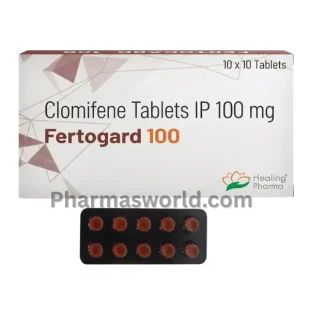
Fertogard 100 Tablet

Fertogard 100 Tablet

Price range: $21.54 through $50.40