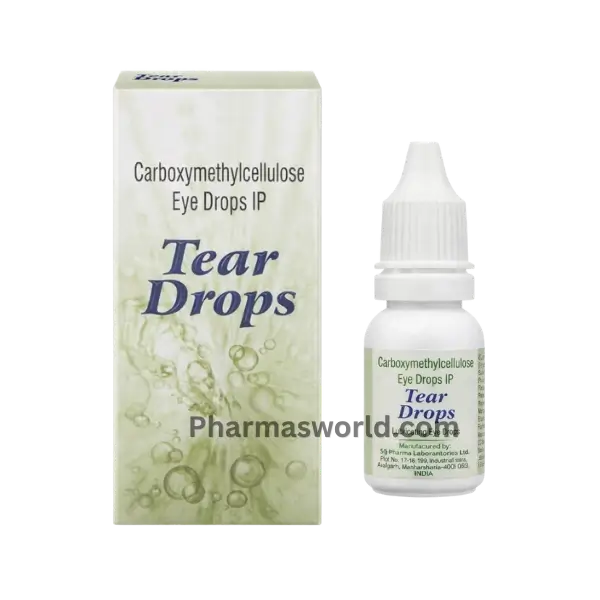
What Are Tear Drops?
Tear Drops are sterile eye drops that work like the tears your eyes make on their own. Depending on the exact formula, they may have lubricating ingredients like
Carboxymethylcellulose Sodium, Hydroxypropyl Methylcellulose, or Polyethylene Glycol. These lubricating ingredients coat and moisturize the surface of the eye, giving you instant relief from the dryness, irritation, burning, and pain that come with dry eye syndrome and other eye problems.
Many eye doctors, including ophthalmologists and optometrists, tell their patients with dry eye syndrome to use Tear Drops. This is one of the most common eye problems that affects millions of Americans every day. There are many things that can cause dry eye syndrome, such as getting older, spending too much time in front of a screen, wearing contact lenses, air conditioning, being in windy places, taking certain medications, and having medical conditions that affect tear production.
How do they do their job?
Tear Drops work by adding to and replacing your natural tears when your eyes aren't making enough tears on their own or when the tears they do make aren't good enough to properly lubricate and protect the surface of your eyes.
When you put Tear Drops in your eyes, the solution spreads over the whole surface of your eye and makes a thin film that protects and moisturizes it. At the same time, this film does a lot of very important things for your eyes. It makes it easier for your eyelids to slide over the surface of your eyes, which gets rid of the scratchy and gritty feeling that dry eyes cause. It also cleans the surface of the eye by getting rid of any dust, pollen, smoke, or other things that might be bothering it. It keeps the tear film stable and protects and hydrates the surface of the eye between blinks.
Most people feel better right away, within seconds to minutes of putting the drops in their eyes. Depending on the specific formulation used and how bad the dry eye condition is, the moisturizing and lubricating effect can last for several hours.
What Are They Good For?
- Dry eye syndrome is caused by not making enough tears naturally.
- Eye irritation and discomfort resulting from extended screen exposure and digital eye strain.
- Contact lens wear can make your eyes dry and irritated.
- Air conditioning and heating systems can make your eyes dry and irritated.
- Wind, dust, smoke, and other pollutants in the environment can irritate the eyes.
- Some medications, like antihistamines and antidepressants, can make your eyes dry.
- Eye irritation after LASIK and cataract surgery and other eye surgeries
- Older people often have dry eyes because of aging and hormonal changes.
Table of Dosage
| Condition |
Dose |
Frequency |
Duration |
| For mild dry eye and irritation |
1 to 2 drops in each eye |
2 to 3 times a day |
When necessary |
| Moderate Dry Eye Syndrome |
1 to 2 drops in each eye |
4 to 6 times a day |
As needed |
| Severe Dry Eye Condition |
1 to 2 drops in each eye |
Every 1 to 2 hours |
As the doctor says |
| For dryness caused by contact lenses |
1 to 2 drops in each eye |
As needed while wearing them |
As needed |
You can use Tear Drops as many times as you need to during the day to help with dry eyes. If you need to use them more than six times a day, pick a formula that doesn't have preservatives in it. This will keep you from getting irritated from using them too often.
Pros
- Gives quick and soothing relief from dry eyes, burning, and irritation in just a few seconds.
- Looks and feels like real tears and keeps the surface of the eye moist and lubricated for a long time.
- You can use it multiple times a day without worrying about anything serious.
- Available without preservatives for people with very sensitive eyes or who use them very often
- Eye doctors and ophthalmologists all over the US trust and recommend this product for dry eyes.
Disadvantages or side effects
- Vision that is temporarily blurry right after putting the drops in the eyes, but clears up quickly
- Some people who are sensitive may feel a mild stinging or burning in their eyes right after putting it on.
- Using eye drops with preservatives for a long time and very often can irritate and make your eyes more sensitive.
- Some people may be allergic to some of the drops' ingredients, which can make their skin red and more irritated.
- People with very dry eyes may need to put drops back in their eyes very often because they wash out quickly.
Most side effects are mild and go away on their own. If you notice that your eyes are still red, hurt more, see things differently, or get worse after using the drops, stop using them and see your eye doctor right away.
Important Warnings
- Always take out your contact lenses before putting Tear Drops in your eyes. After putting in the drops, wait at least 15 minutes before putting your contacts back in. Many Tear Drop products have preservatives in them that soft contact lenses can absorb. Over time, these preservatives can cause a lot of irritation and damage to both your lenses and your eyes. If you wear contacts and need to use drops, make sure to choose a brand that says it is safe to use with contacts.
- If the solution has changed color, become cloudy, or you see any particles floating in it, don't use Tear Drops. If the drops look different, it could mean that the bottle is contaminated. If you put the contaminated drops in your eyes, you could get a very bad eye infection. Before using the drops, always check to see if they look clear and clean. If they don't, throw away the bottle.
- Before using your Tear Drops, always check the expiration date on the bottle. Never use eye drops that have already expired. Even if there is still solution in the bottle, you should always throw away your Tear Drops bottle within 28 to 30 days of opening it. Over time, bacteria can get into an open bottle, and using an old open bottle can lead to a serious eye infection.
What is the best way to use Tear Drops?›
Before you touch your eyes or the eye drop bottle, wash your hands well with soap and water. Look up at the ceiling and tilt your head back a little. To make a small pocket between your eyelid and your eye, use your non-dominant hand to gently pull down on your lower eyelid. With your dominant hand, hold the Tear Drops bottle upside down and place the tip of the dropper directly over the pocket you made. Gently squeeze the bottle to let one or two drops fall into the pocket. You shouldn't let the dropper tip touch your eye, eyelid, or any other surface because it could make the whole bottle dirty. After putting in the drops, gently close your eyes for one to two minutes and blink a few times slowly to help the drops spread evenly over the whole eye surface. Use a clean tissue to wipe away any extra drops that are around the eye.
Is it okay to use Tear Drops with other prescription eye drops?›
Yes, you can usually use Tear Drops with other prescription eye drops, but you should always wait a certain amount of time between putting on different eye drops. As a general rule, you should wait at least 5 to 10 minutes between putting on each kind of eye drop. This wait time is very important because it lets each drop soak into the eye properly before you put on the next one. If you put different drops on too close together, the second drop will wash away the first drop before it has a chance to work. Always put your prescription eye drops on first and then wait 5 to 10 minutes before putting on Tear Drops if you are using both.
What is the difference between preserved and preservative-free Tear Drops, and which one should I get?›
Benzalkonium Chloride, a chemical preservative, is added to Preserved Tear Drops to keep bacteria from growing inside the bottle after it has been opened. People who only use drops four times a day or less should be fine with these. But using preservatives a lot during the day can make your eyes feel bad. Preservative-free Tear Drops come in single-use vials that hold enough solution for one or two uses and have no preservatives in them. People who need to use drops more than four to six times a day, have very sensitive eyes, wear contact lenses, or have had eye surgery should choose these. Your eye doctor can help you figure out which one is best for you.
If I don't treat my dry eyes, will they permanently damage my vision?›
Yes, untreated dry eye syndrome can damage the surface of your eye in severe and long-term cases. The cornea is the clear front surface of your eye. It needs to stay moist and lubricated all the time to stay clear and smooth. Corneal abrasions, inflammation, and even corneal scarring can happen when the cornea is dry and irritated for a long time. Corneal scarring can make it hard to see clearly for the rest of your life. This is why you should never ignore the symptoms of chronic dry eye and always treat them properly with Tear Drops and other treatments your eye doctor suggests.
Is it safe to buy Tear Drops from Pharmasworld.com?›
Yes, for sure. You can be sure that when you buy Tear Drops from Pharmasworld.com, you are getting a real, high-quality product from a reputable online pharmacy. We get all of our eye care goods straight from manufacturers and wholesalers that have been approved. We take great care to pack and deliver every order safely and discreetly to your door anywhere in the US. We also make sure that every order is handled with complete privacy. Our number one goal is to make sure your eyes are healthy and you're completely comfortable.
Why should you buy things from Pharmasworld.com?
We at
Pharmasworld.com promise to sell only real medicines at the lowest prices and ship them quickly and without drawing attention to themselves all over the US. We care about every order because your health, privacy, and complete satisfaction are always our top priorities.
Disclaimer for MedicalThis information is only meant to be helpful. Always talk to your licensed eye doctor or ophthalmologist before using any eye drops or other eye care products. Pharmasworld.com follows all US pharmaceutical rules and recommends that anyone with an eye condition or health problem see a qualified eye doctor before starting any new eye medication or treatment.
Reviews
There are no reviews yet.