Warf 2 Mg Tablet

Warf 2 Mg Tablet

Price range: $17.80 through $34.50

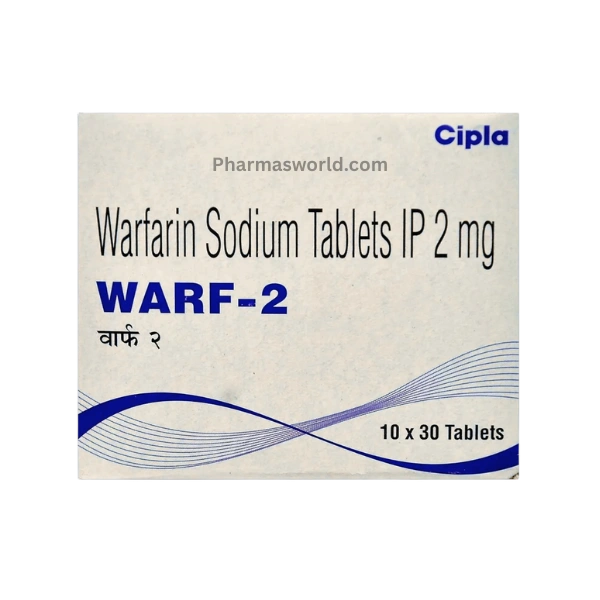
Warf 2 Mg Tablet is a warfarin 2 mg anticoagulant tablet used to prevent and treat blood clots in conditions like atrial fibrillation, deep vein thrombosis, pulmonary embolism, and in people with certain mechanical heart valves. Dosing is individualized and guided by regular INR blood tests. Take it once daily at the same time, keep vitamin K intake steady, and check in quickly for unusual bleeding or new medicines. Do not start, stop, or change your dose without your clinic’s guidance.

USA Brand Name Coumadin
Strength 2mg
Generic Name Warfarin
Manufacturer Cipla, India

Warf 2 Mg Tablet

Variant Price Units Quantity Add to Cart
60 Tablet/s $17.80 $0.30
90 Tablet/s $26.10 $0.29
120 Tablet/s $34.50 $0.29

Limited Offer
20% Discount
PW20
Share:f𝕏win
🚚 Free Delivery🔄 Easy Returns✅ Genuine
Medically Reviewed By

Dr. Emily Carter

Senior Clinical Pharmacist

View Profile →
📋 Product Description
Warf 2 Mg Tablet is a warfarin 2 mg tablet that helps prevent harmful blood clots. Clinicians rely on warfarin for atrial fibrillation stroke prevention, treatment and secondary prevention of DVT and PE, and for patients with mechanical heart valves who need strong clot prevention. Warfarin has been around for decades, and while newer anticoagulants exist, warfarin remains the best choice for some people, especially with certain valve types or kidney issues.

How it works in simple terms

  • Warfarin lowers your blood’s ability to clot by blocking vitamin K dependent clotting factors made in the liver.
  • The effect is measured with an INR blood test. Your dose is adjusted to keep INR in your target range.
  • Common targets: 2.0 to 3.0 for AFib, DVT, PE; 2.5 to 3.5 for some mechanical valves. Your team will confirm your personal goal.

How to take it

  • Take your dose once daily at the same time, with or without food.
  • If you miss a dose, take it the same day when you remember. If it’s the next day, skip the missed dose and tell your clinic. Do not double up.
  • Keep all INR checks. Testing is more frequent when starting or changing doses, then usually every 4 to 12 weeks once stable.
  • Do not start or stop other medicines, vitamins, or herbal supplements without checking. Many products change INR.

Food and vitamin K tips

  • Warfarin and vitamin K balance each other. Big swings in vitamin K can push your INR out of range.
  • Aim for steady intake of greens rather than avoiding them. Common high vitamin K foods: spinach, kale, collards, Swiss chard, broccoli, Brussels sprouts, parsley.
  • If you plan a diet change, weight loss plan, or juice cleanse, let your clinic know so they can guide INR checks.
  • Alcohol: keep it modest. Binge drinking can raise bleeding risk and affect INR.

What to expect and when to call

  • Minor changes like a bruise that appears more easily can happen. That is common with anticoagulation.
  • Call promptly for nosebleeds that won’t stop, coughing or vomiting blood, red or black stools, pink or brown urine, a severe headache, dizziness, a fall or head hit, unusual joint swelling, or heavy menstrual bleeding.
  • Tell dentists and all clinicians that you take warfarin before procedures. You may need a plan for holding or bridging with heparin.

Medicines and supplements that interact

These can raise INR and bleeding risk. Your dose may need adjustment and extra checks:
  • Antibiotics and antifungals: trimethoprim sulfamethoxazole, metronidazole, fluconazole, clarithromycin
  • Heart and rhythm drugs: amiodarone, some statins
  • Pain and fever: high dose acetaminophen; avoid NSAIDs like ibuprofen and naproxen unless your prescriber approves
  • Herbal products: ginkgo, garlic, turmeric/curcumin, cranberry products
  • These can lower INR and make clots more likely:
  • Rifampin, carbamazepine, phenytoin, St John’s wort, ginseng, smoking changes
  • Always share a complete list of prescriptions, OTC meds, and supplements.

Everyday safety tips

  • Use a soft toothbrush and electric razor. Wear shoes indoors if bruise prone.
  • For pain or fever, acetaminophen is often preferred, but keep doses modest and inform your clinic.
  • Travel with your dosing calendar and clinic contact. If you change time zones, keep the dose interval close to 24 hours.
  • Illness, diarrhea, vomiting, or poor appetite can change INR. Let your clinic know if you’re sick for more than a day.

Who should not use warfarin

  • Pregnancy, due to risk to the fetus. If you could become pregnant, discuss reliable contraception and what to do if pregnancy occurs.
  • Known active bleeding or conditions with very high bleeding risk, unless managed in a hospital plan.
  • Severe uncontrolled hypertension or frequent falls without a safety plan.

Available strengths in the market

Warfarin tablets are widely available in multiple strengths to fine tune dosing:
  • 1 mg
  • 2 mg
  • 2.5 mg
  • 3 mg
  • 4 mg
  • 5 mg
  • 6 mg
  • 7.5 mg
  • 10 mg
Color and shape can vary by brand. Always confirm the strength printed on your tablet before taking it.

Storage and handling

  • Store at room temperature away from moisture and heat.
  • Keep tablets in the original bottle or blister with the label intact.
  • Keep out of reach of children and pets.

Helpful search phrases people use

Warf 2 mg warfarin, what is INR range, foods to avoid on warfarin, warfarin interactions list, warfarin and antibiotics, signs of bleeding on blood thinners, warfarin for AFib, mechanical valve INR target, missed warfarin dose, vitamin K and warfarin.

FAQs

What is the Warf 2 Mg Tablet used for?

Warf 2 Mg Tablet contains warfarin 2 mg. It is used to prevent and treat blood clots in conditions like atrial fibrillation, DVT, PE, and in people with certain mechanical heart valves. Your dose is set to reach a specific INR range.

How often will I need INR checks?

Expect frequent tests when starting or changing doses, sometimes 1 to 2 times per week. Once stable, many people test every 4 to 12 weeks. Any new medicine, illness, or big diet change may require extra checks.

Can I eat leafy greens on warfarin?

Yes, but keep intake consistent. Sudden big increases or decreases in vitamin K rich foods can push INR out of range. Tell your clinic if your usual diet is changing.

Which pain reliever is safest with warfarin?

Avoid routine NSAIDs like ibuprofen and naproxen unless your prescriber says otherwise. Acetaminophen is often preferred, but high doses can raise INR. Keep doses modest and inform your clinic.

Do I need to stop warfarin before dental work or surgery?

Sometimes. Never stop on your own. Your clinician or anticoagulation clinic will give a plan for holding, restarting, and whether you need a bridge with heparin, based on your procedure and clot risk.
size120 Tablet/s, 60 Tablet/s, 90 Tablet/s
Reviews

Reviews

There are no reviews yet.

Be the first to review “Warf 2 Mg Tablet”

Your email address will not be published. Required fields are marked *

Related Products

Xarelto 15 Mg Tablet FC

Xarelto 15 Mg Tablet FC

Price range: $158.59 through $500.50
Ixarola 20 Mg Tablet FC

Ixarola 20 Mg Tablet FC

Price range: $38.06 through $143.89
Cameriv 20 Mg Tablet

Cameriv 20 Mg Tablet

Price range: $42.30 through $110.70