Accentrix Solution for Injection

Accentrix Solution for Injection

Price range: $898.50 through $2,582.11

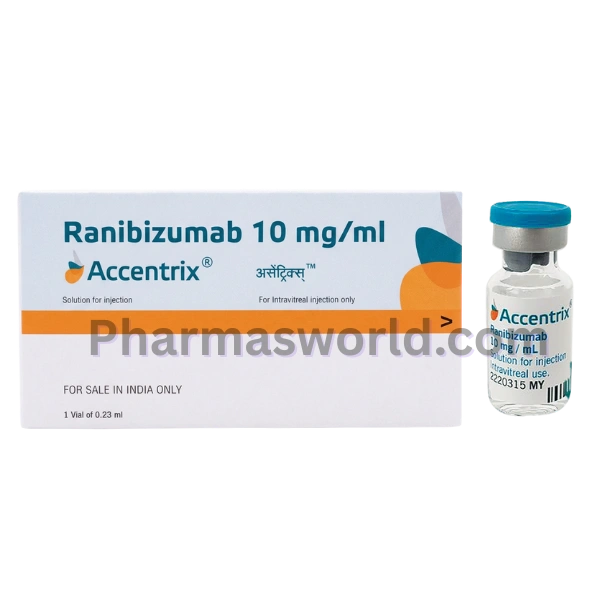
Accentrix Solution for Injection is a prescription eye medication that typically contains ranibizumab, an anti-VEGF therapy used to treat serious retinal conditions like wet age-related macular degeneration (AMD), diabetic macular edema, and macular edema from retinal vein occlusions. It’s administered directly into the eye by a qualified ophthalmologist in a clinical setting. The injection helps reduce abnormal blood vessel growth and fluid leakage, which can preserve or improve vision. It’s not a cure, and treatment usually requires multiple injections over time with regular monitoring.

USA Brand Name Lucentis
Strength 10mg
Generic Name Ranibizumab (10Mg/ml)
Manufacturer Novartis India Ltd

Accentrix Solution for Injection

Variant Price Units Quantity Add to Cart
2 Injection $898.50 $449.25
4 Injection $1,766.68 $441.67
6 Injection $2,582.11 $430.35

Limited Offer
20% Discount
PW20
Share:f𝕏win
🚚 Free Delivery🔄 Easy Returns✅ Genuine
Medically Reviewed By

Dr. Emily Carter

Senior Clinical Pharmacist

View Profile →
📋 Product Description
Accentrix Solution for Injection is one of those medications people usually learn about when their vision starts changing in ways that glasses can’t fix. Maybe you noticed straight lines looking wavy, or a dark spot in the center of your vision that won’t go away. If you’ve been searching for “ranibizumab injection,” “Accentrix eye injection,” “wet AMD treatment,” “diabetic macular edema therapy,” “anti-VEGF injection,” or “macular degeneration medicine,” you’re looking at a treatment that can genuinely help preserve what vision you have left. Most products labeled Accentrix are ranibizumab, a monoclonal antibody that blocks vascular endothelial growth factor (VEGF). Since brand names can vary by region, confirm the active ingredient on your vial or packaging. Ranibizumab is given as an intravitreal injection, which means it goes directly into the jelly-like substance in the middle of your eye.

What Accentrix Solution for Injection treats

Doctors use ranibizumab for three main eye conditions:
  • Wet age-related macular degeneration (AMD), where abnormal blood vessels grow under the retina and leak fluid
  • Diabetic macular edema, where diabetes damages retinal blood vessels causing swelling in the central vision area
  • Macular edema from retinal vein occlusion, where a blocked vein causes fluid buildup
These conditions can steal your central vision quickly. Ranibizumab doesn’t fix the damage already done, but it can stop or slow the process, and sometimes even improve vision slightly.

What the injection process is really like

Let’s be honest: the idea of a needle in the eye sounds terrifying. But in reality, the procedure is quick and usually done in an office setting. Here’s what typically happens:
  • Numbing drops are applied so you don’t feel pain, just pressure
  • The eye is cleaned with antiseptic
  • A small device may hold your eyelids open
  • The injection takes about 10-15 seconds
  • You might see floating spots or bubbles for a day or two afterward
Most people say the anxiety beforehand is worse than the actual injection. The whole appointment usually takes 15-30 minutes, and you go home the same day.

How often you’ll need it

This isn’t a one-and-done treatment. In the beginning, you’ll likely need monthly injections for several months. After that, your doctor may extend the interval based on how your retina responds. Some people eventually go every 6-8 weeks, others need treatment more frequently. Your ophthalmologist will use imaging tests (OCT) to decide when you need the next shot.

Side effects and risks to know about

Eye-related side effects are most common:
  • Red eye from the injection site
  • Floaters or small spots in vision
  • Eye pain or pressure
  • Increased eye pressure (usually temporary)
  • Inflammation inside the eye
Serious but rare risks include:
  • Infection inside the eye (endophthalmitis), which can cause severe pain, vision loss, and needs emergency treatment
  • Retinal detachment
  • Blood clots leading to stroke (very rare)
Call your doctor immediately if you have severe eye pain, vision suddenly gets worse, or you see flashing lights with lots of new floaters.

Monitoring that matters

You’ll have regular eye exams and OCT scans to check for fluid and measure retinal thickness. Your doctor will also monitor your eye pressure and watch for any signs of inflammation. These visits are non-negotiable—skipping them risks losing vision that could have been saved.

Cost and access considerations

In the US, ranibizumab injections are expensive, often thousands of dollars per dose. However, most ophthalmology offices work with insurance and have programs to help with copays. If cost is a barrier, ask about patient assistance programs or whether a biosimilar option is appropriate for your condition.

What to avoid

  • Don’t rub your eye for at least a day after the injection
  • Avoid swimming or hot tubs for a few days to reduce infection risk
  • Report any new symptoms immediately, even if they seem minor

Realistic expectations

Ranibizumab can preserve vision and sometimes improve it, but it’s not a cure. The disease process continues, which is why ongoing treatment is necessary. Many people maintain stable vision for years with consistent treatment. The key is starting early and staying on schedule.

Available Strengths (as available in the market)

Ranibizumab is supplied as a solution for injection. Common presentations include:
  • 10 mg/mL concentration in a single-use vial containing 0.2 mL (2 mg total)
  • Administered dose is typically 0.5 mg (0.05 mL) for most indications
  • Some protocols use 0.3 mg (0.03 mL) for certain conditions
The vial is not intended for multiple uses. Always confirm the concentration and volume with your ophthalmologist.

FAQs

1) What conditions does Accentrix Solution for Injection treat?

It’s used for wet age-related macular degeneration, diabetic macular edema, and macular edema from retinal vein occlusion. It helps reduce abnormal blood vessel growth and fluid in the retina.

2) How often will I need injections?

Usually monthly at first, then your doctor may extend the interval based on your response. Some people need treatment every 4-8 weeks long-term.

3) Does the injection hurt?

Most people feel pressure but not pain because numbing drops are used. The anxiety is often worse than the brief procedure itself.

4) What are the most serious risks?

Infection inside the eye (endophthalmitis) and retinal detachment are rare but serious. Call your doctor immediately for severe pain or sudden vision changes.

5) Will Accentrix restore my vision?

It can preserve vision and sometimes improve it slightly, but it’s not a cure. The main goal is to prevent further vision loss from these serious retinal conditions.
size2 Injection, 4 Injection, 6 Injection
Reviews

Reviews

There are no reviews yet.

Be the first to review “Accentrix Solution for Injection”

Your email address will not be published. Required fields are marked *

Related Products

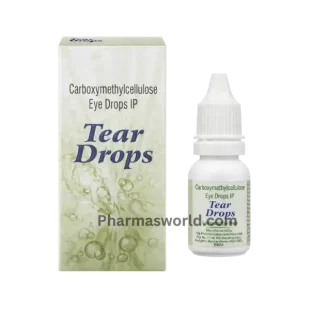
Tear Drops

Tear Drops Eye Drops Dry Eye Relief

Price range: $6.00 through $30.00
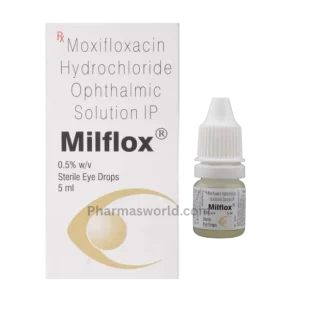
Milflox 0.5% 5 ml

Milflox 0.5% 5 ml

Price range: $27.00 through $72.00
Ciplox D Eye/Ear Drops

Ciplox D Eye/Ear Drops

Price range: $18.80 through $54.60
Panthegel 7.5 gm

Panthegel 7.5 gm

Price range: $19.40 through $56.20