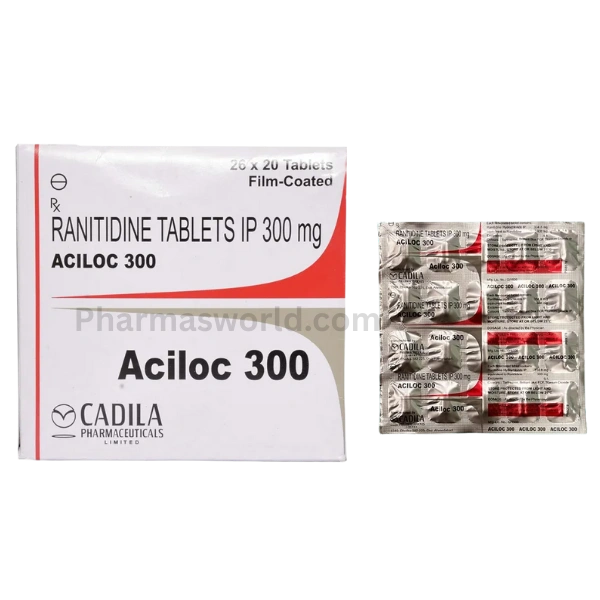
Aciloc 300 Mg

Aciloc 300 Mg

Price range: $6.35 through $17.49

Aciloc 300 Mg is commonly known as ranitidine 300 mg, an H2 blocker used to reduce stomach acid and help with heartburn, GERD, and ulcer healing. Many people take it at bedtime or as directed to calm nighttime reflux and protect the esophagus while it heals. Important note for shoppers: ranitidine products were withdrawn from the U.S. market due to an impurity issue. If you need acid relief, speak with a licensed clinician about safe, approved alternatives such as famotidine or a proton pump inhibitor and the right dose for you.

USA Brand Name Zantac
Strength 300mg
Generic Name Ranitidine
Manufacturer Cadila Pharmaceuticals, India

Aciloc 300 Mg

Variant Price Units Quantity Add to Cart
40 Tablet/s $6.35 $0.16
80 Tablet/s $12.48 $0.16
120 Tablet/s $17.49 $0.15

Limited Offer
20% Discount
PW20
Share:f𝕏win
🚚 Free Delivery🔄 Easy Returns✅ Genuine
Medically Reviewed By

Dr. Emily Carter

Senior Clinical Pharmacist

View Profile →
📋 Product Description
Aciloc 300 Mg is typically a ranitidine 300 mg tablet from the H2 blocker family. These medicines lower stomach acid so inflamed tissue in the esophagus or stomach can settle and heal. If you live with frequent heartburn, sour taste after meals, nighttime cough tied to reflux, or you have a history of gastric or duodenal ulcers, an H2 blocker used correctly can make a real difference.

A friendly heads up

Ranitidine products were withdrawn from the U.S. market after regulators found a stability issue that could lead to increased levels of an impurity called NDMA. Many people now use famotidine or a proton pump inhibitor instead. If your box says ranitidine, check with a clinician or pharmacist about approved options and the best plan for your symptoms.

What Aciloc 300 Mg is used for

  • Relief of heartburn and acid reflux symptoms
  • GERD management and help with healing erosive esophagitis when prescribed
  • Short term treatment and prevention of gastric or duodenal ulcers
  • Acid reduction for people who must take certain NSAIDs and are at ulcer risk
  • Conditions with excess acid production as advised by a clinician

How it works in simple terms

Ranitidine blocks H2 receptors in the stomach lining. Those receptors tell acid‑producing cells to make more acid. With the signal turned down, there is less acid splashing up into the esophagus and less irritation of the stomach or duodenal lining.

How to take it for best results

  • Typical adult dosing your clinician may use: 150 mg twice daily or 300 mg once nightly. Your exact schedule depends on your diagnosis.
  • Bedtime dosing is common because acid spikes overnight can worsen reflux and slow ulcer healing.
  • Take tablets with water. Food is optional, though many people take the evening dose after dinner.
  • If you miss a dose, take it when you remember unless it is close to the next one. Do not double up.
  • Finish the prescribed course. If symptoms persist beyond a standard course, schedule a review.

What to expect day to day

  • Heartburn often eases within hours, with best control after several days of steady use.
  • Trigger foods can still flare symptoms. Common culprits include large or late meals, fatty or spicy foods, caffeine, chocolate, peppermint, and alcohol.
  • Alarm symptoms that deserve prompt care include trouble swallowing, unplanned weight loss, vomiting blood, black stools, chest pain that feels like pressure, or persistent vomiting.

Common side effects

  • Headache
  • Nausea, constipation, or diarrhea
  • Dizziness or fatigue
  • Rarely, rash or mild liver enzyme changes
Call a clinician if you develop unusual bruising, severe abdominal pain, yellowing of the eyes or skin, or a new, spreading rash.

Drug and food interactions

  • Medicines needing acid for absorption may work less effectively. Examples include certain antifungals like ketoconazole and atazanavir. Ask about timing.
  • Warfarin and procainamide can interact. Monitoring or dose adjustments may be needed in some cases.
  • Alcohol can worsen reflux and stomach irritation. Keep it modest if you drink.
  • If you use antacids for breakthrough symptoms, separate them from other prescriptions per your clinician’s guidance.

Practical tips that help

  • Keep meals smaller and avoid lying down for 2 to 3 hours after eating.
  • Elevate the head of your bed by about 6 to 8 inches if nighttime reflux is an issue.
  • A short walk after dinner, steady hydration, and a simple food diary can help you spot triggers.
  • If you need long term therapy, schedule periodic reviews to confirm the lowest effective dose or discuss step‑down plans.

Available strengths in the market

If your product is ranitidine, common strengths offered in many regions have included:
  • Ranitidine tablets: 75 mg, 150 mg, 300 mg
  • Ranitidine oral solution or syrup: various strengths
  • Ranitidine injection for clinical use
In the U.S., ranitidine products have been withdrawn. Common approved alternatives include:
  • Famotidine tablets: 10 mg, 20 mg, 40 mg
  • Proton pump inhibitors such as omeprazole, esomeprazole, pantoprazole in multiple strengths Your clinician will help you choose a safe, effective alternative and dose.

Storage and handling

  • Store tablets at room temperature in a dry place away from heat and sunlight.
  • Keep in the original blister or bottle until use.
  • Keep out of reach of children and pets.

Helpful search phrases people use

Aciloc 300 Mg ranitidine, heartburn medicine at night, H2 blocker vs PPI, ranitidine withdrawal alternative, famotidine bedtime dose, GERD lifestyle tips, ulcer healing timeline, reflux foods to avoid.

FAQs

What is Aciloc 300 Mg used for?

Aciloc 300 Mg is typically ranitidine 300 mg, an H2 blocker used for heartburn, GERD, and ulcers. Note that ranitidine was withdrawn in the United States due to an impurity issue. Ask a clinician about approved alternatives like famotidine or a PPI.

When should I take my dose?

Many people take 300 mg at bedtime or 150 mg twice daily as prescribed. Bedtime dosing often helps with nighttime reflux. Follow your label or prescriber’s instructions.

Can I take this with antacids or other reflux medicines?

An occasional antacid for breakthrough symptoms may be fine. If your clinician switches you to famotidine or a PPI, they will advise on spacing and whether you still need an antacid.

How long until I feel better?

Some relief can start the first day, with best effect after a few days of steady use. If symptoms continue after a standard course or return quickly, check in for next steps and alternative options.

What are safer alternatives now that ranitidine is off the market?

Many people use famotidine 20 to 40 mg or a proton pump inhibitor such as omeprazole, esomeprazole, or pantoprazole. Your clinician will match the medicine and dose to your symptoms and health history.
size120 Tablet/s, 40 Tablet/s, 80 Tablet/s
Reviews

Reviews

There are no reviews yet.

Be the first to review “Aciloc 300 Mg”

Your email address will not be published. Required fields are marked *

Related Products

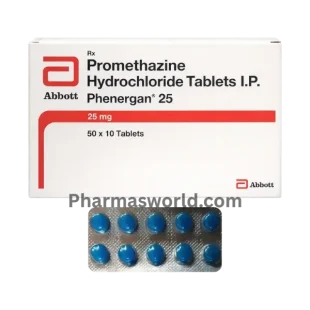
Promethazine Hydrochloride Tablet

Promethazine Hydrochloride Tablet (Generic)

Price range: $25.00 through $62.00
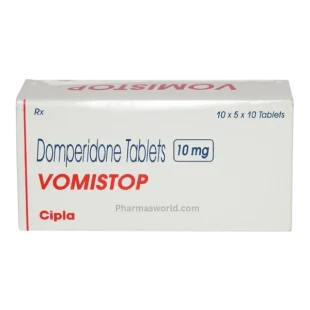
Vomistop 10 Mg Tablet

Vomistop 10 Mg Tablet

Price range: $4.56 through $11.34
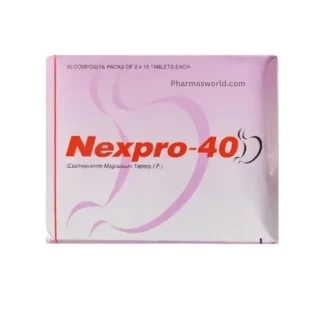
Nexpro 40 Mg Tablet

Nexpro 40 Mg Tablet

Price range: $21.09 through $43.80
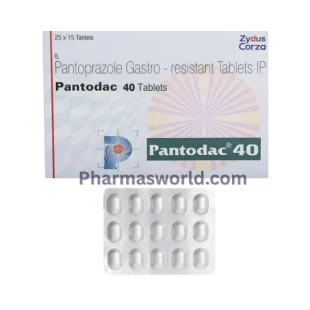
pantodac 40 Mg

Pantodac 40 Mg

Price range: $37.37 through $107.96